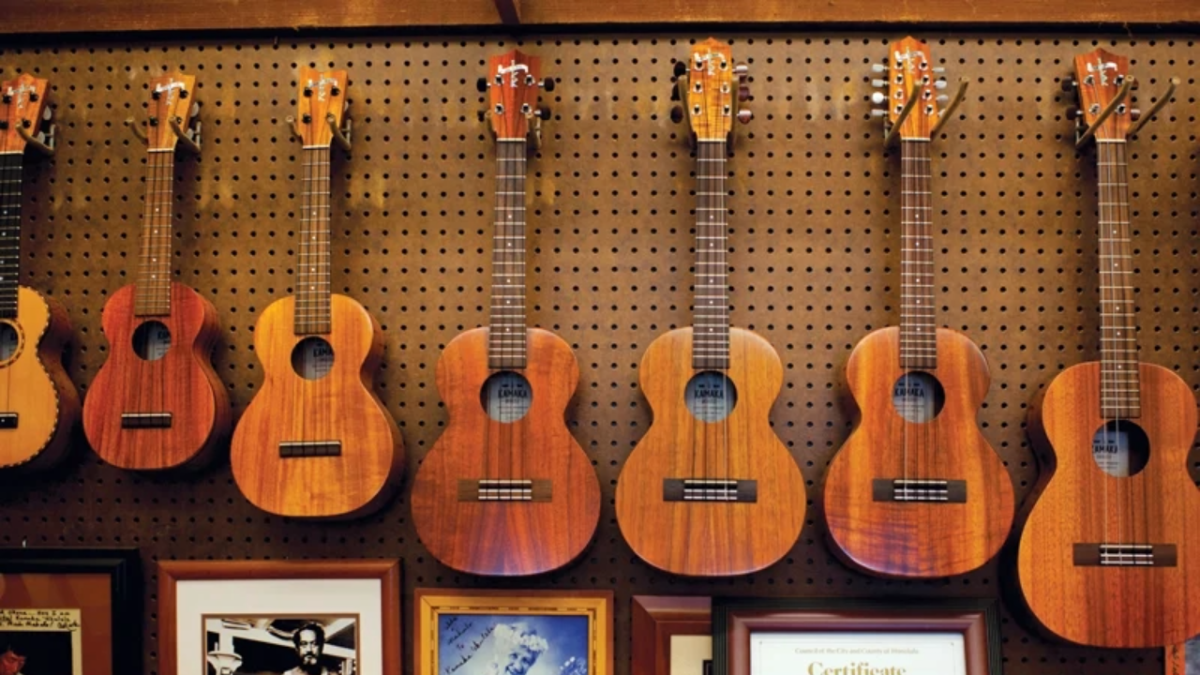
When the first notes of a Kamaka ukulele float through the air, there’s something instantly recognizable—something warm, rich, and distinctly Hawaiian. More than just an instrument, a Kamaka ukulele is a symbol of craftsmanship, tradition, and cultural pride. With over a century of history behind it, Kamaka Hawaii isn’t just one of the most respected ukulele builders in the world—it is the blueprint for how a family-run company can preserve its soul while influencing generations of musicians.

1916: The Birth of Kamaka and the Dawn of a Ukulele Era
The story of Kamaka Ukulele begins with Samuel Kaialiilii Kamaka, a Hawaiian-born craftsman with a passion for woodworking and a remarkable talent for acoustic design. In 1916, in the garage of his Kaimuki home on Oahu, he began handcrafting what locals would call “taro-patch fiddles.” These early ukuleles were charmingly rustic, yet beautifully resonant.
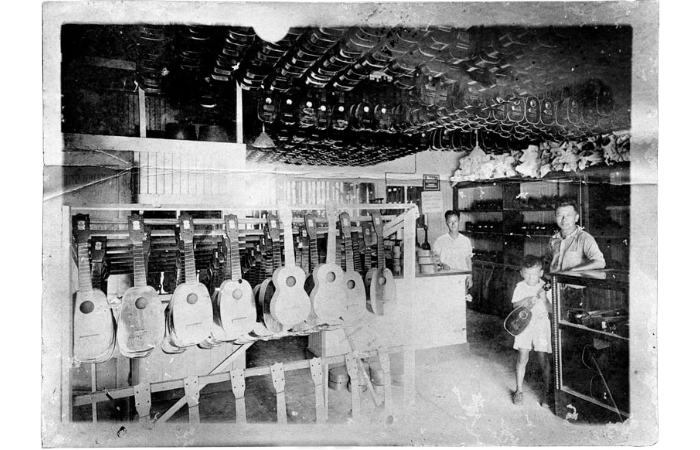
As word of Samuel’s work spread, so did his reputation. Musicians quickly noted that Kamaka instruments had a distinctive, fuller tone—an effect later attributed to both Samuel’s shaping techniques and his preference for Hawaiian koa wood, which would become a Kamaka signature.
A Pineapple, a Patent, and a Revolution in Sound
In 1928, Samuel unveiled a design that would forever change the ukulele world: the Pineapple Ukulele. Unlike the standard figure-eight shape, this new silhouette resembled—you guessed it—a pineapple. But it wasn’t just a clever design choice; the shape offered a warmer, more resonant tone due to the increased body volume.
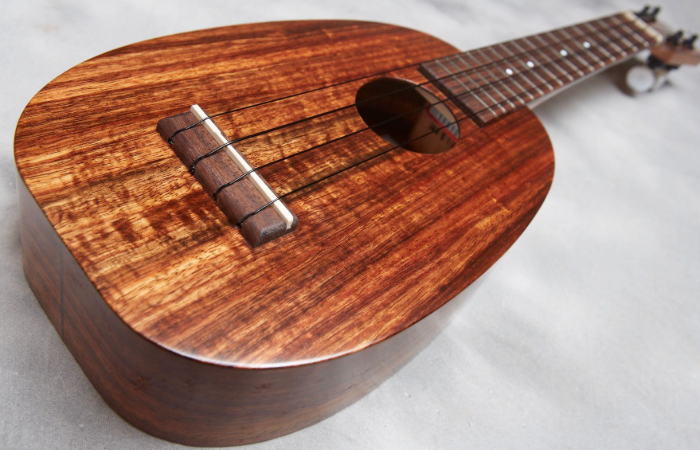
This inventive design was so unique that Samuel filed for a U.S. patent. The Kamaka Pineapple Ukulele remains one of the company’s most iconic and enduring models, still produced today with incredible attention to detail.
Keeping It in the Family: Four Generations of Kamaka
After Samuel passed away in 1953, his sons Samuel Jr. and Fred Sr. stepped in to continue the family legacy. Both had backgrounds that extended beyond the workshop—Samuel Jr. with a Ph.D. in entomology, and Fred Sr. as a U.S. Army veteran and skilled business mind. Together, they not only upheld the company’s core values but helped formalize and expand the Kamaka name while still keeping everything handcrafted in Hawaii.
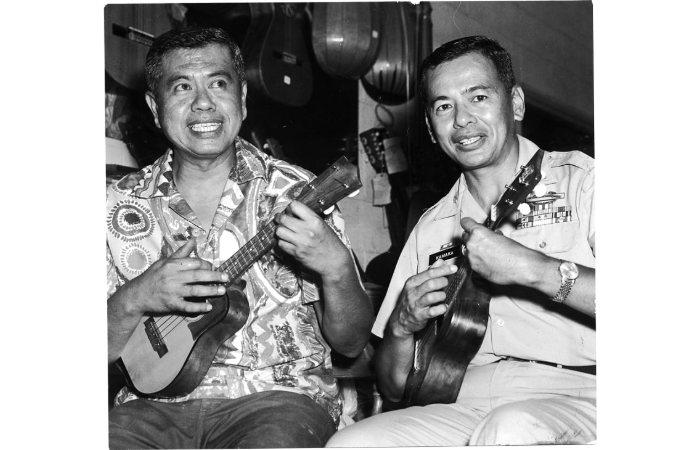
Today, Kamaka is guided by its third and fourth generations, including Fred Kamaka Jr. and Chris Kamaka, who continue the family legacy with deep reverence. Each family member involved in the business is also a talented musician, offering insight that helps shape the instruments they build.
Read More: Celebrating History with the Martin Centennial Concert Ukulele
Kamaka’s Cultural Impact: More Than an Instrument
Kamaka’s influence extends far beyond soundboards and fretboards. Their instruments have played key roles in preserving and sharing Hawaiian culture, both in the islands and globally. Legendary performers like Eddie Kamae (a founding member of the Sons of Hawaii) and Jake Shimabukuro (known for his virtuosic modern interpretations) have relied on Kamaka ukuleles as their instrument of choice.

Additionally, Kamaka has maintained a strong relationship with local communities by supporting school music programs, cultural preservation efforts, and traditional luthier apprenticeships.
Legacy at a Glance: 5 Essential Kamaka Highlights
Founded in 1916 by Samuel K. Kamaka in Honolulu, Hawaii.
Pineapple Ukulele patented in 1928, offering a fuller sound and becoming a signature model.
Uses Hawaiian koa wood, prized for its tonal warmth and native symbolism.
Played by world-renowned ukulele artists such as Jake Shimabukuro and Eddie Kamae.
Still family-run today, currently operated by the third and fourth generations.
The Kamaka of Today: Global Reputation, Local Roots
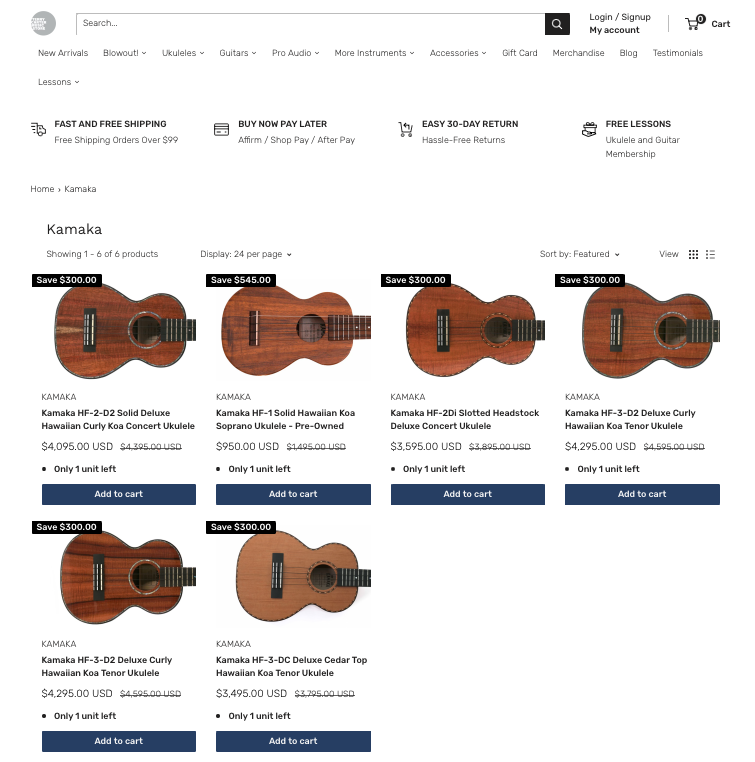
Kamaka Hawaii, Inc. remains firmly planted in Honolulu, operating from a facility not far from where Samuel started his workshop over a century ago. While other companies have outsourced or scaled through mass production, Kamaka continues to build every instrument by hand—often with a 6–12 month waitlist for new ukuleles due to demand.
Their models now include standard soprano, concert, tenor, and baritone sizes, each with subtle tonal distinctions and craftsmanship that continues to evolve without losing its soul. While Kamaka doesn’t operate chain stores or satellite locations, their reach is global, thanks to select dealers and international festivals.
What keeps them successful? Authenticity, artistry, and aloha. In a world of factory-made instruments, Kamaka stands as a monument to what happens when passion meets heritage.

Final Strum: Why Kamaka Still Matters
To own a Kamaka ukulele is to hold a piece of Hawaiian history—crafted with the same care, spirit, and intention that began in a tiny Honolulu garage in 1916. It’s more than a beautifully built instrument. It’s an heirloom. A storyteller. A companion. And, most of all, a reminder that the heart of music is often handmade.