From Island Roots to Global Rhythms
Few instruments carry such a joyful spirit as the ukulele. Its sound instantly evokes sunshine, ocean waves, and the warmth of Hawaiian culture — yet its story began far from the Pacific. The ukulele’s journey from Portuguese workshops to global stages is a tale of innovation, cultural exchange, and timeless appeal. For anyone who plays or dreams of learning, knowing the ukulele’s origin reveals why this small instrument continues to charm the world.

Learn from the Source with Uke Like The Pros
If the ukulele’s story inspires you, Uke Like The Pros is the best place to begin your own musical chapter. Created by professional musician Terry Carter, this online platform helps players of all levels master the instrument that started as a humble import and became a worldwide favorite. Through structured lessons, play-along videos, and a global community, Uke Like The Pros connects modern learners with the same spirit that gave birth to the ukulele itself.
The Ukulele’s Origin: From Portugal to Paradise
The ukulele’s roots trace back to the late 19th century, when Portuguese immigrants from the island of Madeira sailed to Hawaii to work in the sugarcane fields. They brought with them small four-stringed instruments called the machete, braguinha, and rajão — all members of the guitar family.
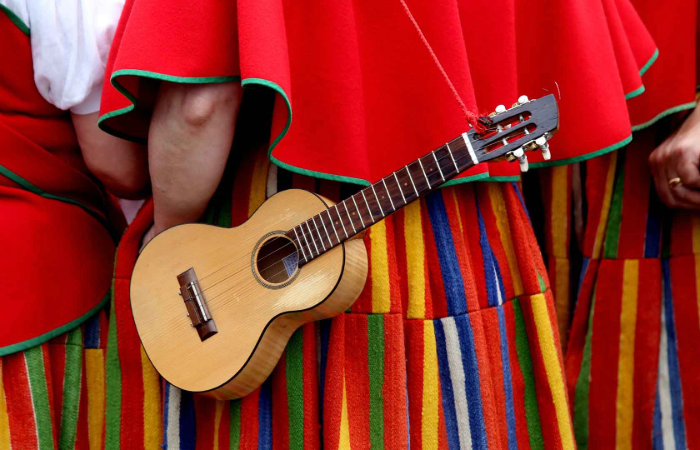
When these lively instruments reached Hawaiian shores around 1879, the locals were captivated by their cheerful tone and quick strumming rhythm. According to legend, the ukulele’s name came from the Hawaiian words ‘uku lele’, meaning “jumping flea,” a playful reference to how the musicians’ fingers moved swiftly across the strings.
Among the early Portuguese settlers were three craftsmen — Manuel Nunes, Augusto Dias, and José do Espírito Santo — who are credited with creating the first Hawaiian-made ukuleles. They refined the design, adjusting size, tonewood, and shape to suit local tastes. The sound was bright and resonant, perfectly matching the island’s musical traditions.
The Rise of Hawaii’s Signature Sound
The ukulele quickly became a favorite among Hawaiian royalty and the general public alike. In particular, King David Kalākaua, known as the “Merrie Monarch,” was a passionate supporter of Hawaiian arts and music. He incorporated the ukulele into royal performances, ensuring it would become a symbol of Hawaiian culture and identity.

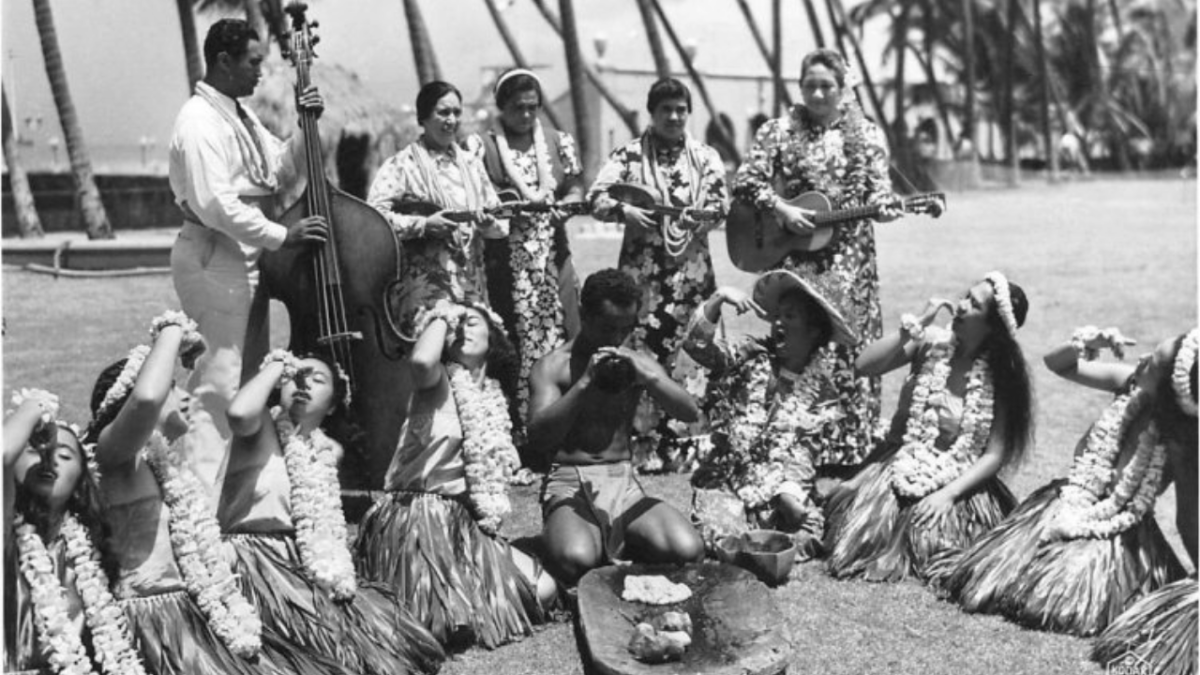
By the early 1900s, the ukulele was at the heart of Hawaiian music, accompanying hula dances and traditional songs. Local makers like Kamaka began handcrafting instruments from native koa wood, giving the ukulele its signature warm, golden tone — a sound now synonymous with the islands.
The Mainland Craze: America Falls in Love
The ukulele didn’t stay in Hawaii for long. At the 1915 Panama-Pacific International Exposition in San Francisco, Hawaiian musicians introduced the instrument to mainland audiences. It was an instant hit. Americans were enchanted by its tropical sound and easy-to-learn style.

During the 1920s, the ukulele became a pop culture phenomenon. Manufacturers like Martin and Gibson began producing them in large numbers, and ukulele sheet music filled music stores across the U.S. College students, movie stars, and jazz musicians all joined the craze.
Even through the Great Depression, the ukulele remained popular — an affordable escape that lifted spirits during hard times.
The Ukulele’s Revival in Japan and Beyond
After World War II, Japan fell in love with the ukulele. Musician Yukihiko Haida studied in Hawaii and sparked the movement. It soon became a staple in Japanese pop and folk music, inspiring generations of players.
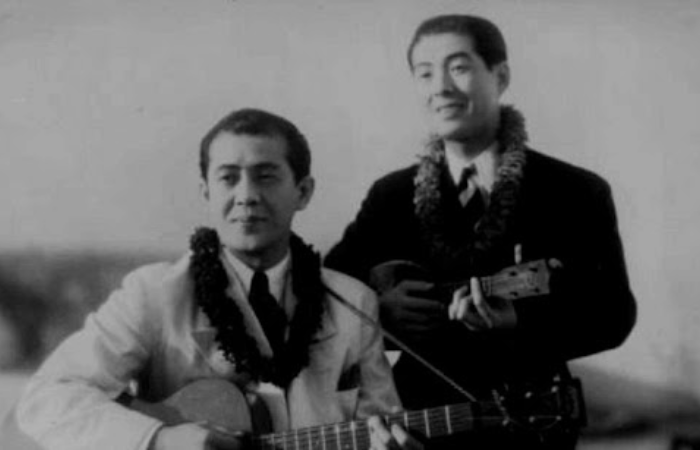
From there, the ukulele spread through Asia, especially in schools where its small size made it perfect for teaching. By the late 20th century, the ukulele became a global instrument — easy to carry, joyful to play, and culturally uniting.
The Modern Ukulele Boom: A Global Renaissance
In the 2000s, the ukulele experienced an extraordinary comeback. Artists like Jake Shimabukuro, Israel Kamakawiwoʻole (IZ), and Grace VanderWaal brought it back into the spotlight. YouTube and social media let players worldwide share covers, tutorials, and performances, creating a truly global ukulele movement.
Today, the ukulele is a symbol of unity and joy, played in classrooms, homes, and concert halls everywhere.
Read More: Strumming Magic: A Fun Review of the Willow Creek FX-PG44 Acoustic Guitar
Join the Global Ukulele Family
From the hands of Portuguese sailors to Hawaiian kings, from jazz bands to viral internet videos — the ukulele’s story is proof that music travels farther than any ship or plane. It carries joy, connection, and a sense of belonging wherever it goes.
Start your own ukulele journey with Uke Like The Pros — where expert guidance, authentic lessons, and a global community come together to keep the ukulele’s legacy alive.
FAQs About the Ukulele’s Origins and Learning Path
Q: Who really invented the ukulele?
A: While no single person can take full credit, Portuguese immigrants Manuel Nunes, Augusto Dias, and José do Espírito Santo are considered the original Hawaiian ukulele makers.
Q: Why is the ukulele associated with Hawaii if it came from Portugal?
A: Hawaiians embraced and reimagined the instrument, giving it a new name, design, and sound — transforming it into the cultural symbol we know today.
Q: What kind of wood were early ukuleles made from?
A: Traditional Hawaiian ukuleles were often crafted from koa wood, prized for its warm tone and stunning grain.
Q: Is it easier to learn than guitar?
A: Definitely. With only four strings and simpler chord shapes, the ukulele is one of the easiest instruments for beginners.